
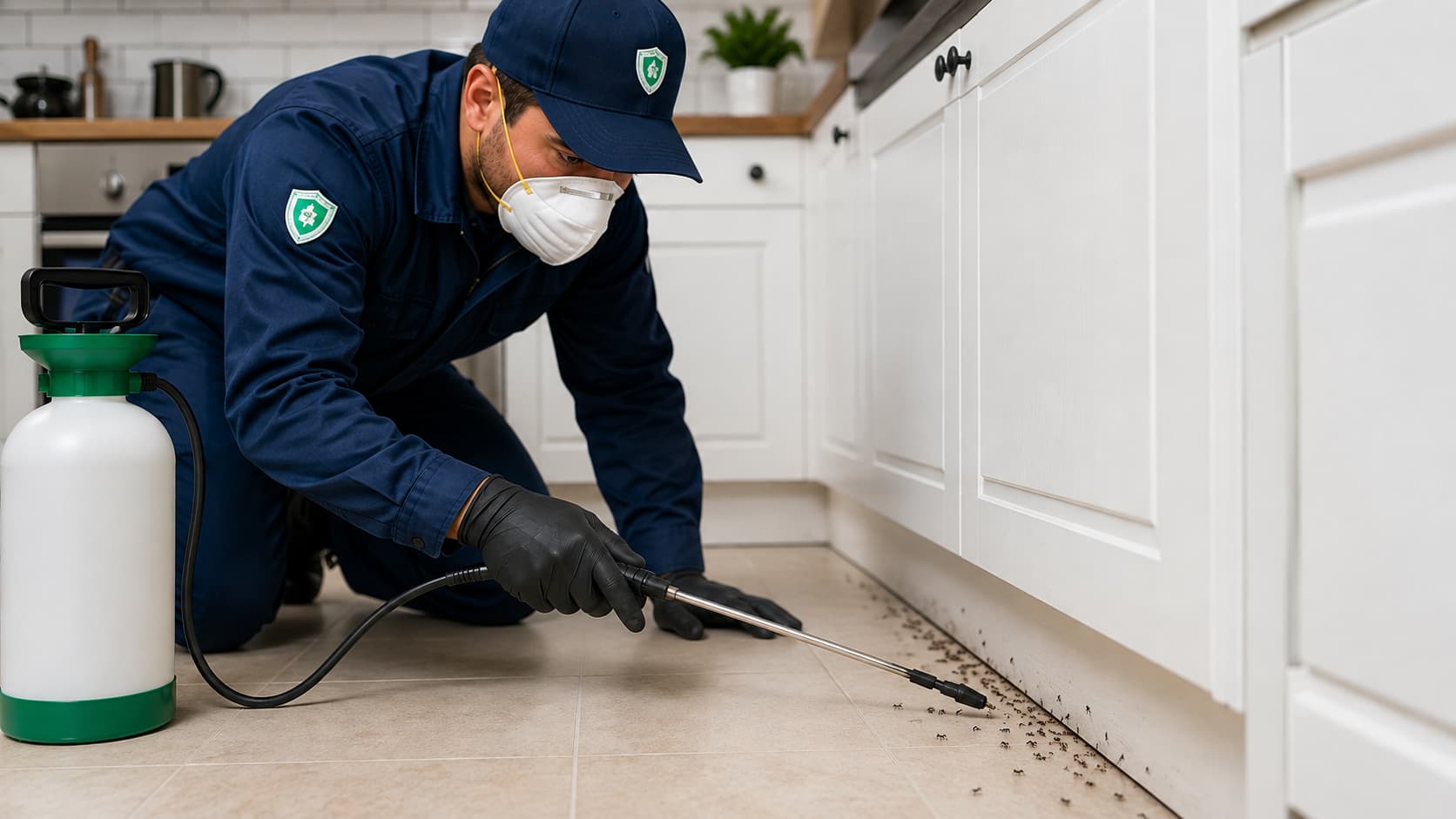
Ant Control Service in Spanish Fork, UT (2026)
Ants are one of the most common household pests in Spanish Fork, and what starts as a few scouts on the kitchen counter can quickly turn into a full colony invasion. With the city's mix of newer developments along the benches, established neighborhoods, and proximity to Utah Lake, ants have plenty of opportunity to find their way indoors searching for food and moisture. A professional ant control service in Spanish Fork can identify the species, locate the colony, and stop the problem at its source rather than just treating what you can see.
Why Ants Are Persistent in Spanish Fork
Spanish Fork's warm summers and irrigated lawns create ideal conditions for ants to thrive outdoors before moving inside. Newer homes with landscaping still settling in, along with cracks in foundations and gaps around windows and doors, give ants easy entry points. Once inside, they leave pheromone trails that attract more ants to the same food sources.
Signs You May Need Ant Control
Visible Trails
Lines of ants moving along baseboards, countertops, or window sills usually indicate an established trail to a nearby food or water source.
Ant Hills or Mounds
Small dirt mounds in the yard, near sidewalks, or along the foundation often signal an outdoor colony close to the home.
Ants in the Kitchen
Repeated ant activity around sinks, pantries, or trash cans suggests a colony has found a consistent food source indoors.
Carpenter Ant Damage
Larger black ants near wood trim, window frames, or moisture-damaged areas may indicate carpenter ants nesting within the structure itself.
What a Professional Ant Control Treatment Involves
Inspection and Identification
Technicians identify the ant species present, since treatment methods differ for pavement ants, odorous house ants, and carpenter ants.
Interior and Exterior Treatment
Targeted baiting and residual sprays are applied along entry points, foundation lines, and known trails to eliminate colonies at the source.
Nest Treatment
When outdoor nests or mounds are located, direct treatment is applied to disrupt the colony rather than only addressing worker ants.
Ongoing Prevention
Follow-up visits and perimeter treatments help ensure new colonies do not reestablish after the initial treatment.
Preventing Ants Between Treatments
Homeowners can reduce ant activity by sealing cracks around windows and doors, storing food in airtight containers, wiping down counters after meals, and keeping mulch and vegetation trimmed away from the foundation.
Frequently Asked Questions
How long does it take to get rid of ants after treatment?
Most homeowners see a significant reduction in ant activity within a few days, though full colony elimination through baiting can take one to two weeks depending on colony size.
Will ant control get rid of the problem permanently?
Treatment eliminates existing colonies, but ongoing prevention and periodic follow-up visits are recommended since new colonies can migrate onto the property over time.
Are carpenter ants a sign of bigger structural problems?
Carpenter ants often nest in wood that already has moisture damage, so their presence can indicate an underlying moisture issue that should be inspected alongside the ant treatment.