
Bee Exterminator Service in Logan, UT (2026)
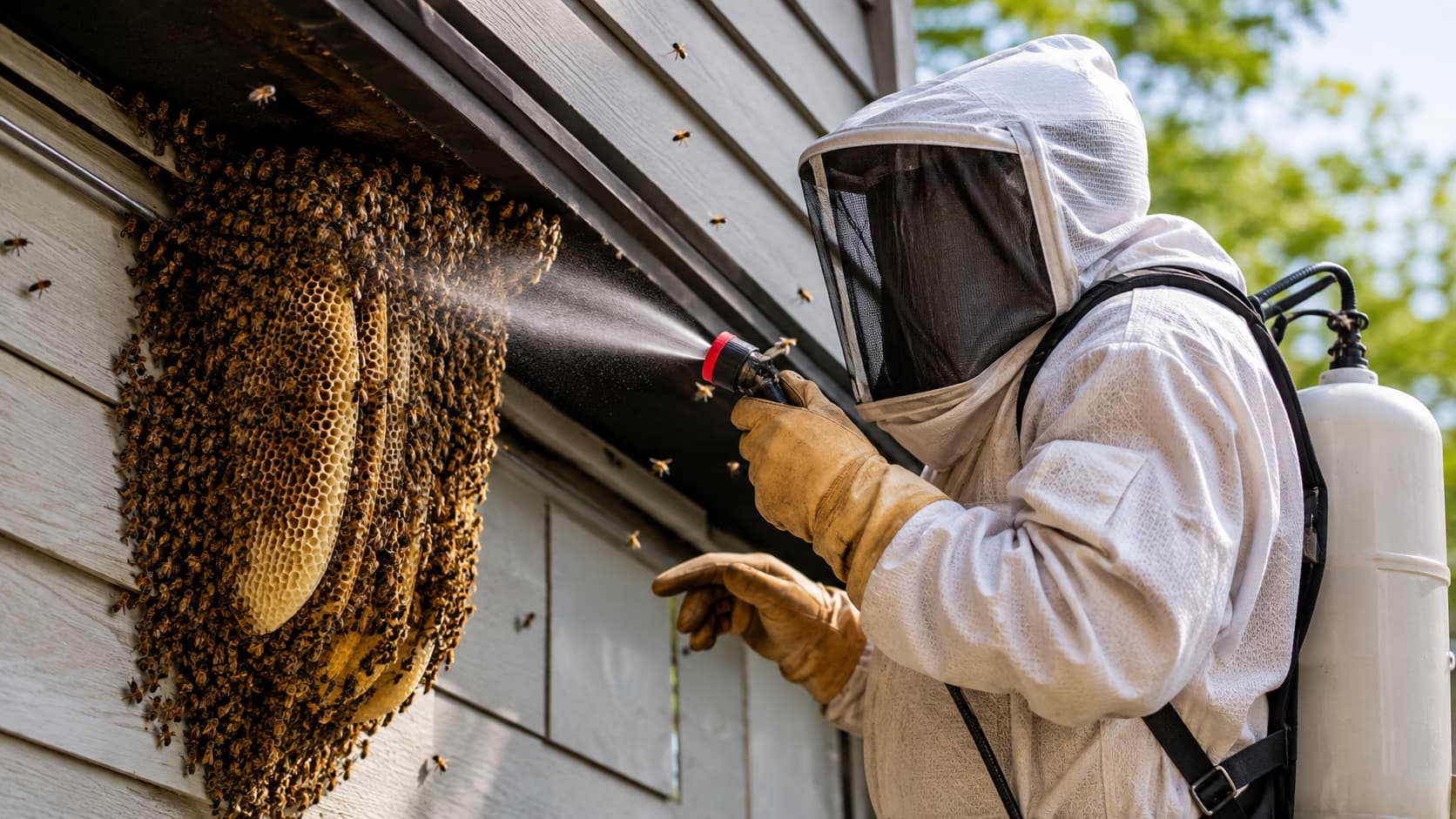
Bees play an important role in local ecosystems, but when a colony builds a hive near your home, garage, or backyard living space, the risk of stings becomes a real safety concern, especially for households with children, pets, or anyone with allergies. Logan's mountain foothill setting, mature landscaping, and proximity to Cache Valley farmland create attractive nesting spots for bees looking for shelter. A professional bee exterminator service in Logan can safely remove or relocate a hive without putting your family at risk.
Why Bees Nest Near Logan Homes
Bees look for sheltered, undisturbed spaces to build hives, and residential properties often provide exactly that. Eaves, attics, wall voids, sheds, and even underground cavities in the yard offer protection from weather and predators. Logan's mix of established neighborhoods with older trees and newer developments bordering open farmland gives bee colonies frequent opportunities to come into contact with homeowners.
Signs You May Have a Bee Problem
Visible Hive Activity
A steady stream of bees entering and exiting a specific spot on your home or property usually points to an active hive nearby.
Buzzing Inside Walls
A consistent humming sound coming from wall cavities or attic spaces often means a colony has established itself inside the structure.
Increased Bee Sightings
A noticeable rise in bee activity around the yard, especially near flowering plants or eaves, can signal a nearby colony.
Wax or Honey Residue
Sticky residue or wax buildup near vents, siding, or soffits may indicate an established hive close to that area.
What a Professional Bee Removal Service Involves
Hive Inspection and Identification
Technicians identify the bee species and locate the hive, since removal methods differ for honeybees, bumblebees, and other stinging insects.
Safe Removal or Relocation
Because honeybees are important pollinators, many professionals prioritize live removal and relocation over extermination whenever it is feasible and safe to do so.
Hive and Comb Removal
After bees are cleared, remaining comb and wax are removed from wall voids or structures to prevent attracting future colonies or pests.
Entry Point Sealing
Technicians seal gaps and openings that allowed bees to enter, reducing the likelihood of a new colony moving into the same spot.
Preventing Future Bee Problems
Homeowners can lower the risk of new hives by sealing cracks in siding and eaves, covering exposed vents with fine mesh, addressing standing water sources, and having a professional inspect the property each spring before swarm season begins.
Frequently Asked Questions
Is it safe to remove a beehive myself?
Removing a hive without proper equipment can trigger defensive swarming and serious stings, so professional removal is strongly recommended, especially for hives inside walls or attics.
Will bee removal harm the colony?
Many services prioritize live relocation for honeybees due to their ecological importance, though removal method depends on species, hive location, and safety considerations.
How quickly should a bee problem be addressed?
Hives should be addressed as soon as they are noticed, since colonies grow quickly and become more difficult and costly to remove the longer they are left in place.