
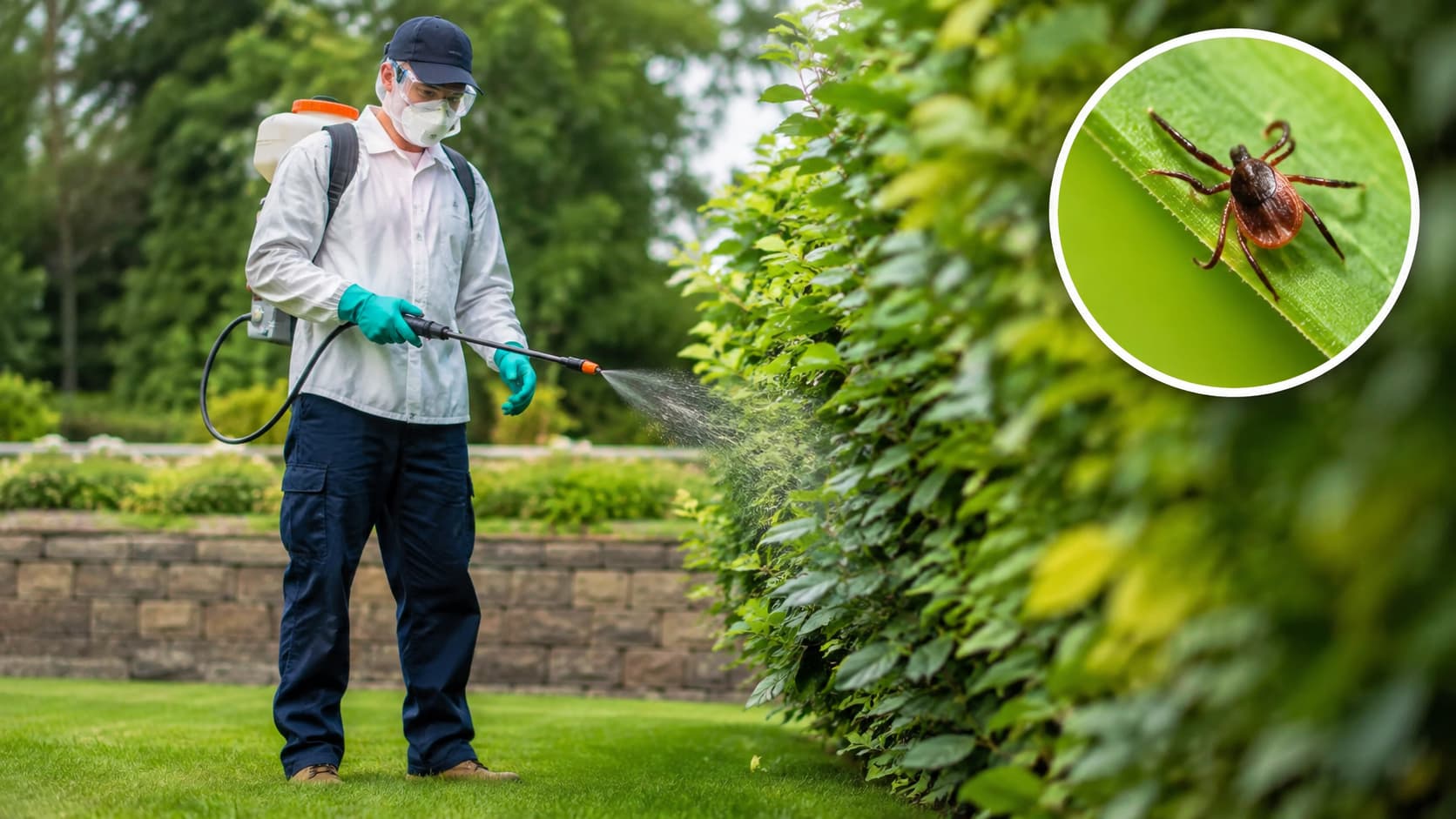
Tick Control Service in Layton, UT (2026)
Ticks are more than a nuisance in Layton. These small parasites can transmit Rocky Mountain spotted fever, tularemia, and other diseases to both people and pets. With Layton's mix of foothill trails, grassy parks, and residential yards bordering natural brush, ticks have easy access to homes throughout the warmer months. A professional tick control service in Layton can treat your property, reduce tick populations, and give your family peace of mind during hiking season and backyard activities alike.
Why Ticks Are a Growing Concern in Layton
Layton's proximity to the Wasatch foothills and open natural spaces means ticks regularly hitch rides into yards on deer, rodents, and pets. Tall grass, leaf litter, and wooded property edges create ideal hiding spots. As outdoor recreation increases each spring and summer, so does the risk of tick exposure for both residents and pets.
Signs of a Tick Problem on Your Property
Ticks on Pets
Dogs and cats that spend time outdoors often bring ticks back into the home, especially after walks near trails or tall grass.
Ticks Found Indoors
Discovering ticks on furniture, bedding, or clothing usually means they are being carried in from the yard repeatedly.
Overgrown Yard Edges
Tall grass, dense shrubs, and leaf piles near fences or wooded areas are common tick habitats that increase risk.
Wildlife Activity
Frequent deer, raccoon, or rodent sightings in the yard raise the likelihood of ticks being introduced to the property.
What a Professional Tick Control Treatment Involves
Property Inspection
Technicians assess yard conditions, identifying tick habitats like brush piles, tall grass, and shaded, moist areas where ticks thrive.
Barrier Spray Treatment
A targeted pesticide application is applied to yard perimeters, garden beds, and other tick-prone zones to reduce populations quickly.
Habitat Modification Guidance
Technicians often recommend trimming vegetation, clearing leaf litter, and creating a barrier of wood chips or gravel between lawns and wooded areas.
Seasonal Follow-Up Treatments
Because tick activity peaks in spring and fall, recurring treatments help maintain protection throughout the year rather than relying on a single application.
Reducing Tick Exposure Between Treatments
Homeowners can further lower risk by keeping grass mowed short, removing leaf litter and brush piles, using tick preventatives on pets, and checking family members and pets after outdoor activities.
Frequently Asked Questions
How often should tick control treatments be applied in Layton?
Most homes benefit from treatments every four to six weeks during peak tick season, typically spring through early fall, with adjustments based on yard conditions.
Is tick control treatment safe for pets and children?
Professional-grade products are applied by licensed technicians following label guidelines, and yards are typically safe to use again once the treatment has dried, usually within a few hours.
Can tick control also help with mosquitoes?
Many treatment plans target both pests together since ticks and mosquitoes often share similar habitat, making combined control programs a practical option for full yard protection.